Broken garage door spring repair in the West Valley
A snapped spring is the most common reason a garage door suddenly won’t open. It’s also the repair you should never attempt yourself.
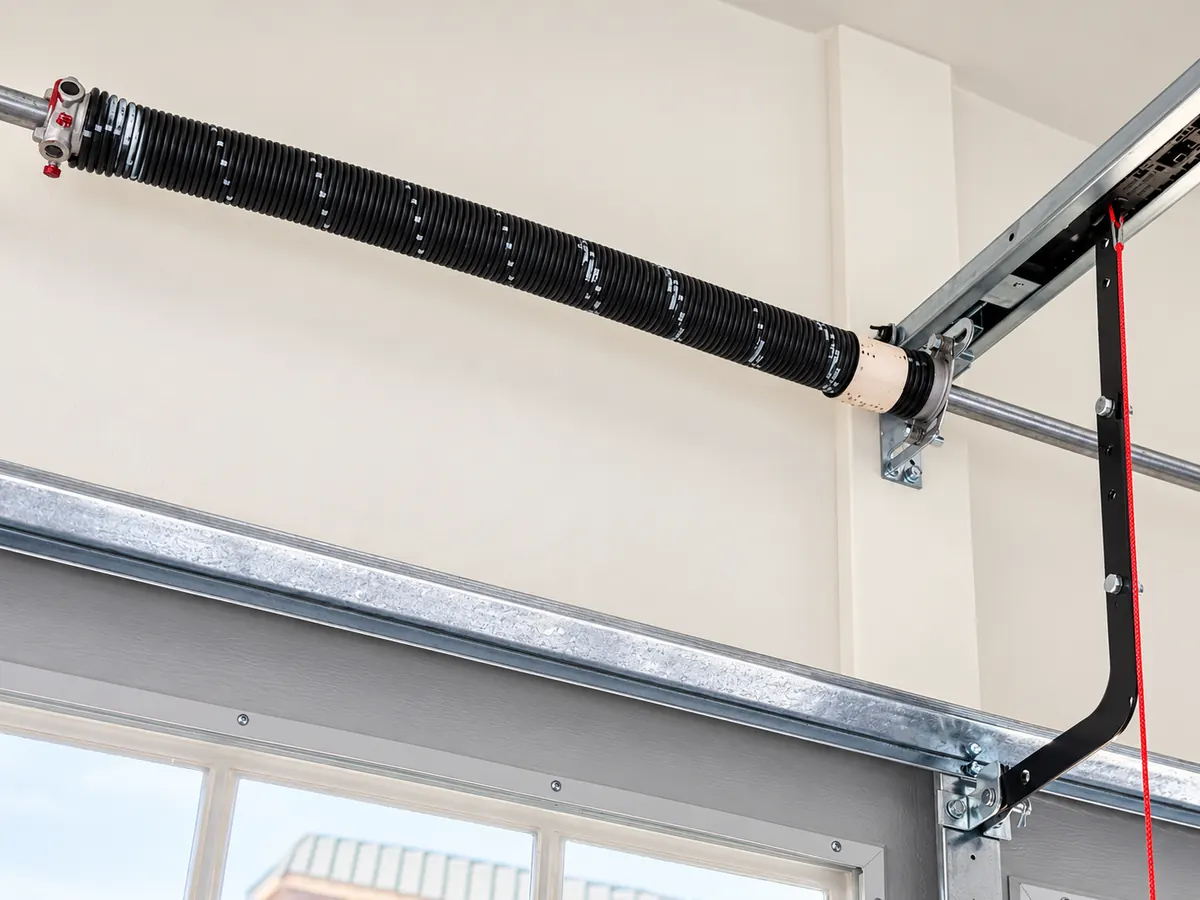
Signs your spring broke
- A loud bang from the garage, often when nobody was using the door.
- A gap of a few inches in the coiled spring on the bar above the door.
- The opener runs, but the door lifts a few inches and stops, or doesn’t move at all.
- The door feels extremely heavy if you try to lift it by hand.
- The cables on either side hang loose instead of being tight.
Torsion springs and extension springs
Most West Valley homes have torsion springs: one or two coils on a metal bar just above the door. When the door closes, the springs wind up and store the energy that lifts it again. Some older or lighter doors use extension springs instead, which stretch along the tracks on each side.
Either way, the springs do the lifting. The opener only guides the door. That’s why a broken spring stops everything, and why running the opener against a broken spring can damage it too.
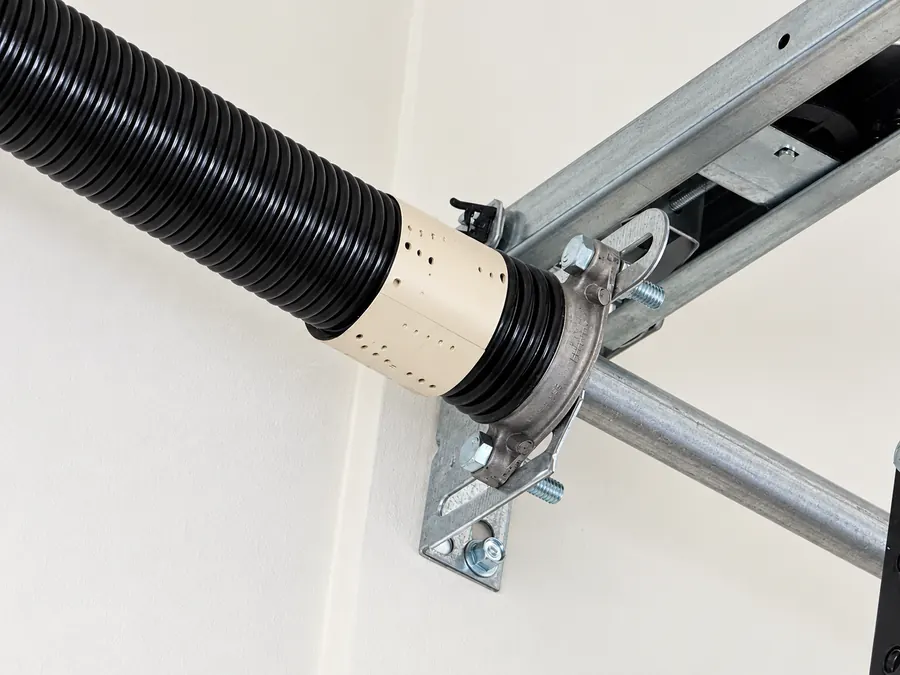
Why this isn’t a do-it-yourself job
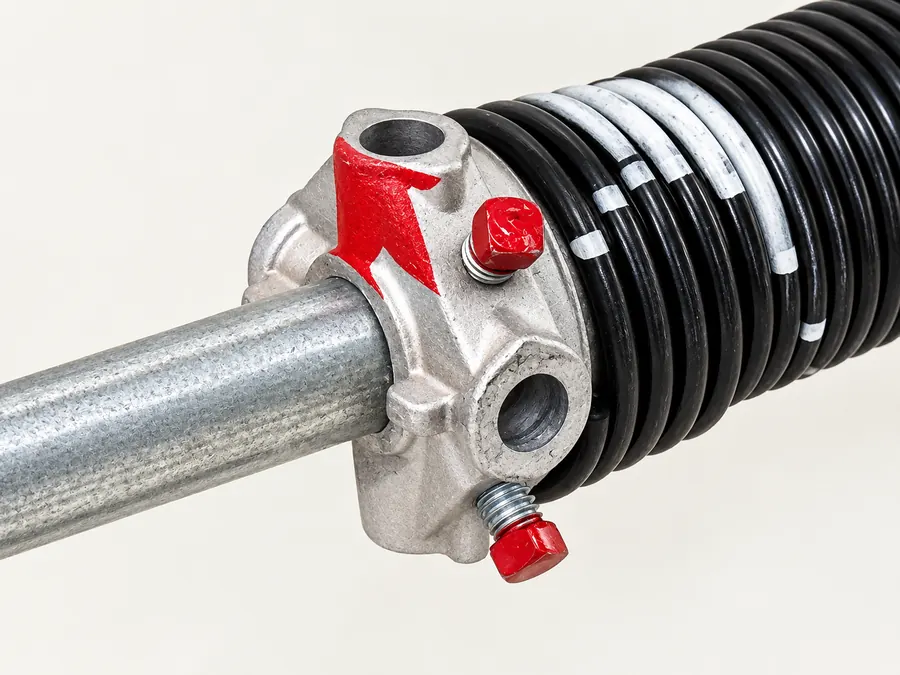
A wound torsion spring holds enough energy to break a wrist or worse if a winding bar slips. Online videos make it look routine because the person filming does it every day with the right bars, clamps and replacement springs sized to the door’s weight. A wrong-size spring also leaves the door out of balance, which wears out the opener.
What a proper repair includes
- Springs sized to your door. The company should measure or weigh the door, not guess.
- Replacing both springs on a two-spring door. They were installed together and usually wear out within months of each other.
- A balance test afterwards: with the opener disconnected, the door should stay put about halfway up.
- A look at cables, rollers and bearings, since a snapped spring often jolts them.
- Lubrication of the springs and moving parts, which matters more in Arizona heat.
Ask whether higher-cycle springs are available. They cost more but last longer, which can make sense if your garage is your main entrance.
What it costs
Spring replacement in the Phoenix area typically runs in the low to mid hundreds of dollars for a pair. See garage door spring replacement cost for ranges and what pushes a price up.